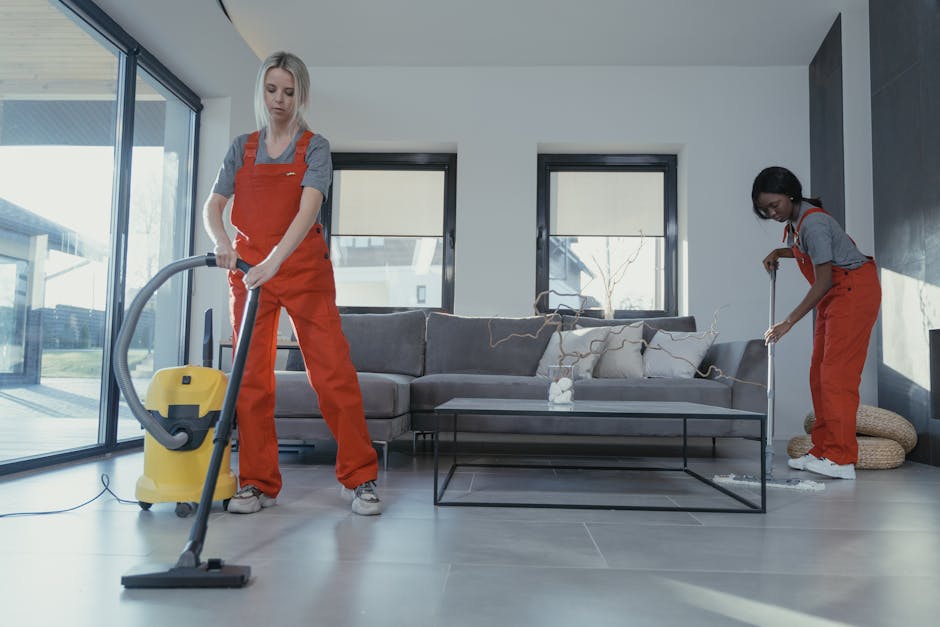
Sofa cleaning Acton High Street top local cleaners: a practical guide to cleaner, fresher furniture
If your sofa has started to look a bit tired, carry the odd coffee mark, or hold onto that musty smell that only shows up when the heating comes on, you are not alone. Sofa cleaning Acton High Street top local cleaners is exactly the kind of service people look for when they want a proper refresh without replacing perfectly good furniture. In a busy London home, sofas take a beating from pets, children, dinner crumbs, wet coats, and the occasional evening where someone spills a drink and pretends it never happened.
This guide breaks down what professional sofa cleaning involves, why it matters, what a good local cleaner should do, and how to choose a service that feels trustworthy rather than rushed. You will also find practical steps, common mistakes, and a clear checklist so you can make a sensible decision. No fluff. Just useful advice that helps you get the job done properly.
Why Sofa cleaning Acton High Street top local cleaners Matters
A sofa is usually the largest soft furnishing in the room, which means it catches more dirt than people realise. Dust settles into the fibres, body oils build up over time, and everyday use slowly changes the look and feel of the fabric. On a street like Acton High Street, where homes and flats often juggle limited space, a sofa can be the centre of living, working, relaxing and, let's face it, eating too.
Professional cleaning matters because surface vacuuming only goes so far. What you see on top is often just the beginning. Deeper grime, odours, and embedded debris can sit below the surface, especially in textured fabrics and family-sized corner sofas. A good cleaner knows how to deal with this without over-wetting the fabric or leaving a sticky residue behind.
It also matters for appearance. A cleaner sofa can change how a whole room feels. The space looks brighter. The fabric looks richer. And if you have ever walked into a room after a deep clean, you know that subtle sense of relief. Small thing, maybe. But very real.
For local residents and businesses looking at Sofa cleaning Acton High Street top local cleaners, the main value is simple: convenience, local knowledge, and a better chance of getting a service that understands the types of furniture and living conditions common in the area. The best cleaners do not just "clean"; they assess, treat, and protect.
How Sofa cleaning Acton High Street top local cleaners Works
Professional sofa cleaning is usually a step-by-step process, not a quick spray-and-wipe job. The exact method depends on the fabric, the age of the sofa, any stains, and whether the upholstery is removable or fixed. A reliable cleaner should explain this clearly before work begins, which is reassuring because different materials need different handling.
In most cases, the process starts with inspection. The cleaner checks the upholstery type, spots any damage, and looks for high-traffic areas, staining, and colour transfer risks. After that comes dry soil removal with careful vacuuming. That part sounds basic, but it makes a big difference. If loose grit is left behind, wet cleaning can turn it into mud. Not ideal.
Next comes the treatment stage. Depending on the sofa, this may include pre-spraying, stain treatment, gentle agitation, hot water extraction, low-moisture cleaning, or a specialist dry-cleaning approach. Some fabrics handle water well; others absolutely do not. A responsible cleaner knows the difference and will tell you if a method is unsuitable.
After cleaning, the fabric is rinsed or extracted as needed, then groomed and left to dry with as much airflow as possible. Drying time varies. A lighter synthetic sofa might be touch-dry quite quickly, while a dense or delicate material could take longer. Good practice is to give realistic drying guidance rather than overpromising.
If your home has broader cleaning needs, it can make sense to combine sofa care with related services such as upholstery cleaning, carpet cleaning, or even a deep cleaning visit so the whole space feels properly reset.
Key Benefits and Practical Advantages
People usually book sofa cleaning for one obvious reason: the furniture looks dirty. But the real benefits are a bit broader than that. Here is what usually changes after a proper clean.
- Better appearance: marks soften, colours look fresher, and the sofa stops looking dull in daylight.
- Improved hygiene: embedded dust, crumbs, skin flakes and everyday debris are reduced.
- Odour removal: lingering smells from pets, food or damp are often reduced noticeably.
- Longer fabric life: regular care can help slow wear and keep fibres looking healthier for longer.
- More comfortable living: a clean sofa just feels nicer to sit on. Simple as that.
There is also a practical angle. In rental homes, a cleaner sofa can help a property present better for viewings or handovers. In family homes, it gives you a cleaner place to relax without that nagging sense that the cushions are hiding half the world. And for offices or client-facing spaces, a tidy upholstered seat sends a better signal than one with visible stains and flattened arms.
One of the less obvious advantages is confidence. Once the sofa is clean, you stop worrying about the obvious patch on the seat or the mystery mark that used to catch your eye every evening. That mental relief is worth something too, honestly.
Who This Is For and When It Makes Sense
Sofa cleaning is not only for heavily stained furniture. In fact, some of the best results come when cleaning is done before things get really bad. If you wait until the fabric looks exhausted, you may still get a great result, but you are working harder against accumulated dirt.
This service makes sense if you are in any of these situations:
- You have children or pets and the sofa gets daily use.
- You have noticed odours that fresh air and sprays do not solve.
- There are visible food, drink or grease marks.
- Guests, tenants or buyers are due soon and the room needs to look better.
- The sofa has not been cleaned professionally for a long time.
- You are moving out and want the soft furnishings to look presentable.
It is also useful after a seasonal clear-out. You know that moment in late summer or early spring when the light hits the room differently and suddenly you notice everything? That is often the right time to sort the sofa. If the rest of the home needs attention too, a service like one-off cleaning can be a sensible way to reset the whole place in one go.
To be fair, not every sofa needs the same frequency of cleaning. A lightly used formal sitting-room sofa may only need periodic care, while the main family sofa can need attention much sooner. Usage beats theory every time.
Step-by-Step Guidance
If you are booking a local cleaner, or just want to know what should happen, this is the basic flow you should expect. A clear process usually means a more careful result.
- Inspect the sofa carefully. The cleaner should identify fabric type, stains, wear points and any risk areas before using anything wet.
- Vacuum thoroughly. Loose debris should be removed from cushions, seams, under-seat gaps and arm edges.
- Test the cleaning method. A discreet patch test helps check for colour movement or texture changes.
- Pre-treat targeted stains. Grease, drink spills and grime often need separate treatment before the main clean.
- Apply the chosen cleaning method. This could be low-moisture, steam-based, extraction, or specialist upholstery work.
- Rinse or extract residues. Leaving cleaning solution behind can attract more dirt later, so this matters.
- Groom and dry properly. Fabric grooming helps the pile stand correctly, and airflow supports drying.
During the visit, it helps if you point out any trouble spots. Don't be shy about the "little" stains either. The tiny one near the arm often turns out to be the stubborn one. A good cleaner would rather know upfront than discover it halfway through.
If your sofa is part of a broader clean-up after building work, or if dust has settled across multiple surfaces, it may also be worth looking at after builders cleaning so the whole property is dealt with in a sensible order.
Expert Tips for Better Results
Here are the small things that usually separate a decent result from a really good one.
- Ask what method will be used. "We clean upholstery" is not enough. You want to know how the fabric will be treated.
- Be honest about stains. Old stains, pet accidents and colour transfer need realistic expectations.
- Clear the surrounding area. Cushions, throws, toys and loose items should be removed before the cleaner arrives.
- Ventilation helps. Open windows if possible. A little airflow goes a long way.
- Check drying time before sitting down. It sounds obvious, but people forget and then wonder why the arm feels damp an hour later.
- Use regular vacuuming between cleans. This reduces build-up and keeps fibres looking better for longer.
One more thing: a good local cleaner should be able to tell you when not to clean aggressively. Some materials are delicate, some dyes are unstable, and some older sofas are better handled gently than heroically. The brave option is not always the wise one.
If you want a more joined-up approach, consider pairing sofa care with rug cleaning or carpet cleaning. Matching soft furnishings usually benefit from being treated together, and the room often looks more balanced afterwards.
Common Mistakes to Avoid
Let's face it, a lot of upholstery damage happens before the cleaner even arrives. The most common mistakes are avoidable, which is annoying in a way, but also good news.
- Using too much water: overwetting can lead to longer drying times, residue, or fabric distortion.
- Scrubbing stains aggressively: this can spread the mark or damage the weave.
- Applying random household products: bleach, strong degreasers, or scented sprays can create bigger problems than the original stain.
- Skipping a patch test: especially risky on coloured or delicate fabrics.
- Ignoring care labels: sofa manufacturers usually provide cleaning guidance for a reason.
- Expecting every stain to vanish: some marks have set in, and responsible cleaners should say so plainly.
Another mistake is choosing purely on speed. Fast is nice. But on a sofa, fast can mean rushed drying, missed seams, or a half-cleaned arm that looks fine until sunlight hits it in the afternoon. Not glamorous, but there it is.
Tools, Resources and Recommendations
You do not need a warehouse of equipment to keep a sofa looking decent between professional visits. In everyday life, a small routine is usually enough.
- Vacuum with upholstery attachment: useful for crumbs, dust and pet hair.
- Soft brush: helps lift surface debris without rough treatment.
- Microfibre cloths: handy for light spot work, provided the fabric can handle it.
- White towels or paper towels: useful for blotting fresh spills.
- Manufacturer care instructions: these should always guide what you do next.
When choosing a local company, look for clear communication, sensible advice, and a proper explanation of the process. Good cleaners usually talk in plain language. They do not hide behind vague promises. They will tell you what can be improved, what is uncertain, and what needs a gentler approach.
For broader property care, you may also find services such as domestic cleaning, deep cleaning, or oven cleaning useful if you are trying to bring the whole home back to baseline rather than tackling just one item.
Law, Compliance, Standards, or Best Practice
Sofa cleaning is not a heavily regulated trade in the same way some specialist industries are, but there are still important standards and responsibilities worth taking seriously. For customers, the main things to look for are safe practice, clear terms, honest claims, and responsible handling of your home and furnishings.
In the UK, a good provider should be able to explain how they manage health and safety, what happens if a fabric is unsuitable for wet cleaning, and how they handle your property with care. That may sound basic, but it is exactly where professional practice shows up. A cleaner who understands risk is usually a cleaner you can trust with fragile upholstery.
It is also wise to look for clear insurance and safety information, especially if the work involves moving furniture, using electrical equipment, or cleaning in a busy household. The aim is not paperwork for its own sake. The aim is confidence. That little bit of reassurance matters when someone is working inside your living room with hoses, solutions, and quite a lot of noise.
Best practice also includes clear pricing, transparent communication, and fair complaints handling if something goes wrong. If you are comparing providers, it is worth checking pages such as insurance and safety information, health and safety policy, payment and security, terms and conditions, and complaints procedure before you book.
For people who care about environmental impact, it is also reasonable to ask how wastewater, detergents and materials are handled. A company that can explain its recycling and sustainability approach is often thinking more carefully about the whole service, not just the quick sale.
Options, Methods, or Comparison Table
Different sofas need different approaches. Here is a simple comparison to help you see the trade-offs without all the jargon.
| Method | Best for | Pros | Watch out for |
|---|---|---|---|
| Hot water extraction | Synthetic and more robust fabrics | Deep soil removal, strong refresh, good for general dirt | Can take longer to dry if used too heavily |
| Low-moisture cleaning | Everyday maintenance and time-sensitive jobs | Faster drying, less disruption | May be less powerful on deeply set stains |
| Dry or specialist upholstery cleaning | Delicate fabrics and sensitive materials | Lower water exposure, safer for fragile items | Needs proper assessment and skilled application |
| Spot treatment only | Small isolated marks | Quick and targeted | Does not replace a full clean for general dirt |
If you are unsure which method suits your sofa, ask the cleaner to explain why they recommend one approach over another. A solid answer will sound practical, not salesy. Ideally, it should mention the fabric, staining pattern, and drying expectations rather than just saying "our standard treatment."
Case Study or Real-World Example
A common local scenario goes like this. A family in a flat near Acton High Street has a three-seater sofa that has collected everyday life for years: biscuit crumbs in the cushions, a faint drink stain on one seat, and a slightly stale smell that shows up more in winter than summer. Nothing dramatic. Just enough to annoy them every time they sit down.
The cleaner starts with inspection and a patch test, then vacuums the seams, pre-treats the main marks, and uses a controlled upholstery method suited to the fabric. After cleaning, the sofa looks brighter, the odour is reduced, and the room feels more open. The family are not expecting a brand-new sofa, because that would be fantasy. But they do get something close to a reset, which is often the real goal.
What makes the difference here is not magic. It is judgement. The cleaner chooses a method that fits the material, explains drying time clearly, and avoids overdoing it. That is the sort of service people tend to remember, because it feels calm and competent rather than flashy.
If the rest of the home needed attention too, they might have booked one-off cleaning or even end of tenancy cleaning if the move-out timeline was tight. Different situations, same idea: use the right level of service for the job.
Practical Checklist
Use this simple checklist before booking a sofa cleaning appointment.
- Check the sofa care label or manufacturer guidance.
- Note any visible stains, odours, worn spots or damage.
- Decide whether you need sofa-only cleaning or a broader home clean.
- Ask what cleaning method will be used and why.
- Ask about drying times and when it is safe to use the sofa again.
- Confirm whether the cleaner is insured and works with clear terms.
- Remove cushions, throws and loose items before the appointment.
- Make sure there is enough access and ventilation around the sofa.
- Clarify pricing before work starts so there are no awkward surprises.
- Take a few photos before the clean if you want a clear before-and-after record.
Expert summary: the best sofa cleaning service is not just the one that promises the brightest result. It is the one that asks the right questions, chooses the right method for your fabric, and leaves you with a sofa that feels cleaner, fresher, and properly cared for.
Conclusion
Choosing Sofa cleaning Acton High Street top local cleaners is really about finding a service that treats your furniture with care and your time with respect. The right cleaner should be clear about methods, honest about limits, and careful enough to protect the fabric rather than chase a quick win. That combination is what creates a good result, not fancy language or overblown claims.
Whether your sofa needs a refresh after a busy season, help with stubborn marks, or a proper deep clean before guests arrive, the best next step is to compare services sensibly and ask straightforward questions. A few minutes of good judgement now can save you a lot of irritation later. And frankly, a cleaner sofa does more for a room than people give it credit for.
Get a free quote today and see how much you can save.
Sometimes the smallest change in a living room is the one that makes the whole place feel calm again.
Frequently Asked Questions
How often should a sofa be professionally cleaned?
It depends on use. A busy family sofa with pets or children may need cleaning more often than a lightly used formal sofa. Regular vacuuming helps stretch the time between professional visits.
Will professional sofa cleaning remove every stain?
Not always. Fresh stains usually respond better than old, set-in ones. A good cleaner should explain what is likely to improve and what may remain visible after treatment.
How long does a sofa take to dry after cleaning?
Drying time varies by fabric, method and room ventilation. Lighter synthetic upholstery may dry faster, while dense or delicate fabrics can take longer. Always ask for a realistic estimate before the clean starts.
Is steam cleaning safe for all sofas?
No. Steam or hot water methods are not suitable for every material. Some fabrics need low-moisture or specialist treatment instead. The cleaner should inspect the sofa first and choose accordingly.
Can I clean a sofa myself with household products?
For light maintenance, yes, but be careful. Strong sprays, bleach, and random stain removers can damage the fabric or spread the mark. Always test any product in a hidden area first.
What should I do before the cleaner arrives?
Remove cushions, throws and loose items, clear space around the sofa, and point out any stains or damage. It also helps to keep pets and children out of the work area during cleaning.
Do I need upholstery cleaning if my sofa only looks dusty?
Possibly, yes. Dust can settle deep into the fibres even when the surface looks fine. If vacuuming no longer makes it feel fresh, professional cleaning can help restore the fabric.
How do I know if a cleaner is trustworthy?
Look for clear explanations, sensible advice, and straightforward terms. It is also sensible to check insurance, safety information, payment details and complaints handling before booking.
Is sofa cleaning useful for rented homes?
Yes, especially if the furniture is part of the property or the sofa is visible during viewings or handovers. It can improve presentation and reduce the chance of avoidable disputes over appearance.
Can sofa cleaning help with pet smells?
Often, yes. Odour reduction depends on the cause and how deeply it has soaked into the fabric, but professional cleaning usually does more than a surface spray ever will.
What is the difference between sofa cleaning and upholstery cleaning?
Upholstery cleaning is the broader term for cleaning soft furnishings, including sofas, chairs and similar items. Sofa cleaning is the specific service for your sofa, but the methods overlap quite a bit.
Should I combine sofa cleaning with other services?
If the rest of the room or property also needs attention, yes, that can be efficient. Services like carpet cleaning, rug cleaning, and deep cleaning often make sense together because the result feels more complete.